The Solutions to Reduce Maternal Mortality Already Exist. The Missing Piece Is Investment
Every day, hundreds of women around the world lose their lives due to complications related to pregnancy and childbirth. Although most of these deaths are preventable through simple, affordable and evidence based medical interventions, global progress in reducing maternal mortality has slowed in recent years. Public health experts argue that the greatest challenge is no longer identifying effective solutions, but ensuring that they receive adequate funding and reach the communities where they are needed most.
Effective solutions do not have to be expensive
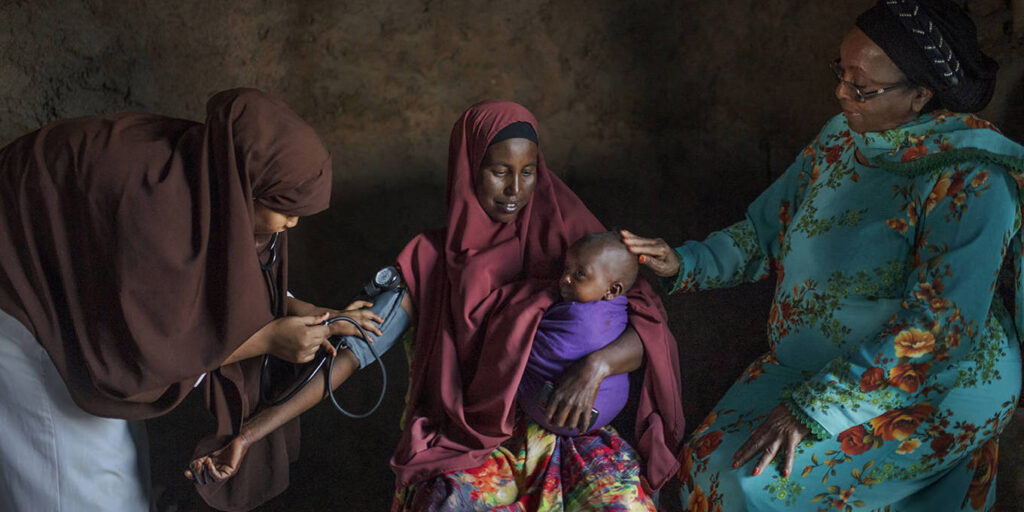
Experience from many countries shows that some of the most effective interventions for preventing maternal deaths are neither technologically complex nor prohibitively expensive. Access to quality antenatal care, skilled health professionals during childbirth, essential medicines to prevent postpartum haemorrhage, timely blood transfusions and efficient referral systems for obstetric emergencies can save countless lives.
Many of these interventions are already included in the recommendations of the World Health Organization (WHO). However, they often fail to reach women living in underserved communities because of limited funding, shortages of trained healthcare workers and weak health infrastructure.
Funding should focus on interventions that are proven to work
Health experts emphasize that investments should prioritize interventions with a well established record of success. Rather than allocating limited resources to expensive initiatives with uncertain impact, governments and international donors can achieve greater results by strengthening primary maternal healthcare services, training midwives and healthcare professionals, ensuring a reliable supply of essential medicines and expanding access to emergency obstetric care.
These investments not only reduce maternal mortality but also improve newborn survival and strengthen healthcare systems as a whole.
Women in low resource settings remain at the highest risk
The risk of dying during pregnancy or childbirth remains significantly higher in low income countries and in regions affected by conflict, humanitarian crises and political instability. According to the World Health Organization, a large proportion of maternal deaths occur in fragile settings where access to healthcare is severely disrupted.
In these environments, even basic medical services can mean the difference between life and death.
Investing in maternal health is an investment in sustainable development
Improving maternal health benefits far more than individual women and their families. Healthy mothers are more likely to participate in education and the workforce, while their children have better chances of surviving, growing and thriving.
For this reason, investments in maternal healthcare also contribute to economic growth, poverty reduction and stronger, more resilient communities.
Public health specialists stress that the knowledge and medical tools needed to prevent most maternal deaths already exist. The remaining challenge is to ensure sustained political commitment and financial investment so that every woman has access to safe, high quality maternal healthcare, regardless of where she lives.
Sources:
- This article is based on the commentary published by Project Syndicate, written by Ifeanyi M. Nsofor. The original article is available in English: https://www.project-syndicate.org/commentary/increase-funding-for-proven-simple-solutions-to-maternal-mortality-by-ifeanyi-m-nsofor-2026-07.
- Additional information on maternal mortality and recommended interventions is available from the World Health Organization (WHO): https://www.who.int/news/item/17-02-2026-conflict-and-instability-make-pregnancy-more-dangerous.