Quebec sees sharp rise in abortion pill use after regulatory changes
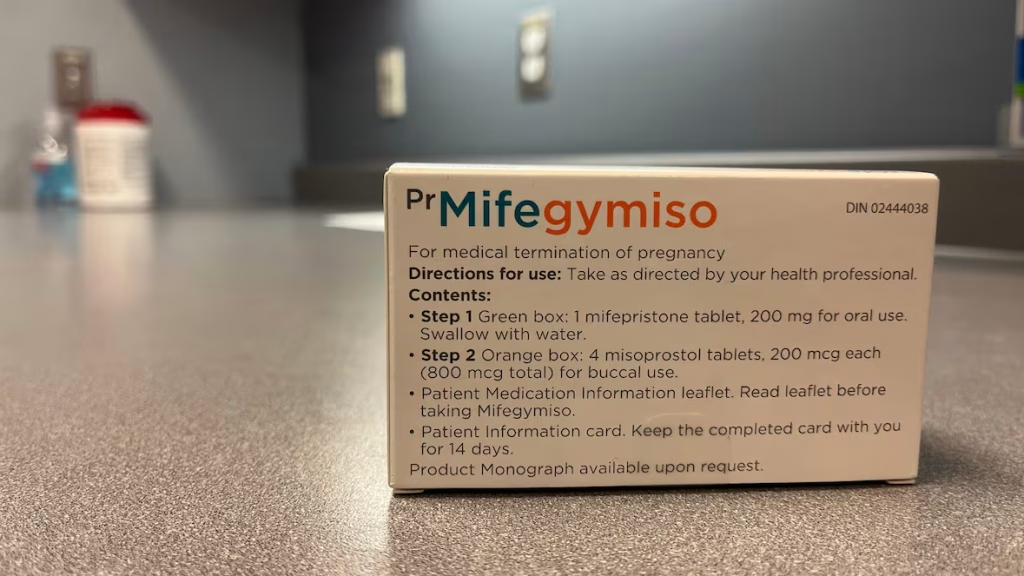
The use of the abortion pill in the Canadian province of Quebec has risen sharply following regulatory changes that made the medication more accessible to women across the region. According to health data collected after the changes were implemented, a significant increase in medical abortions using pills has been recorded, reflecting shifts in both policy and practice.
Until recently, access to medical abortion in Quebec was constrained by stricter requirements for prescription and distribution. However, changes in regulations removed or eased several barriers, allowing abortion pills to be prescribed and dispensed more broadly, including through more healthcare providers and clinics. Experts say the data demonstrates how policy adjustments can influence health care choices and access for reproductive services.
Healthcare providers and advocates have highlighted that making the abortion pill more accessible supports women’s ability to make timely and safe reproductive health decisions. Many pregnant individuals prefer the medication option because it offers privacy, convenience, and the option to manage the process at home under medical guidance.
While the increase in abortion pill use has been welcomed by reproductive health advocates, it has also reignited public debate in Quebec. Some groups and policymakers continue to discuss the ethical and social implications of expanding access to medical abortion, even as supporters emphasize that access to safe, legal abortion care is an essential component of reproductive health services.
Overall, the trend in Quebec illustrates broader changes in reproductive health care and aligns with patterns seen in other jurisdictions where regulatory reforms have expanded access to medication abortion.
Source: CBC