Non-Hormonal Options for Managing Menopause Symptoms: Evidence-Based Recommendations
Menopause is a natural stage of life, but its associated symptoms can significantly affect health and quality of life. Hot flashes, night sweats, sleep disturbances, mood changes and genitourinary symptoms may interfere with daily activities, relationships and overall wellbeing.
Although menopausal hormone therapy remains the most effective treatment for many menopausal symptoms, it is not suitable for everyone. Some women have medical contraindications, while others prefer not to use hormonal treatments.
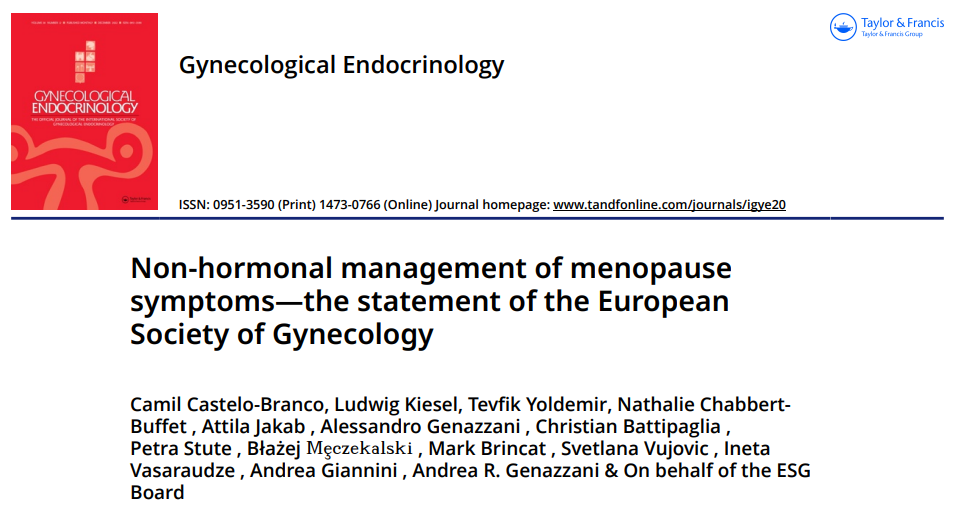
A new consensus statement from the European Society of Gynecology reviews available non-hormonal options and provides evidence-based recommendations for managing menopausal symptoms.
Lifestyle and psychological interventions are an important part of care
According to the experts, lifestyle changes form the foundation of menopausal care. A healthy diet, regular physical activity, weight management, good sleep habits and behavioural interventions can support overall health.
Psychological interventions also play an important role. Cognitive behavioural therapy and clinical hypnosis can reduce distress associated with hot flashes, improve sleep and contribute to better quality of life.
These approaches may be useful both for women who cannot use hormone therapy and for those who prefer non-hormonal alternatives.
Non-hormonal medicines
The consensus statement reviews several categories of medicines that may be used to manage vasomotor symptoms, including hot flashes and night sweats.
These include certain antidepressants, gabapentin, clonidine, oxybutynin and pregabalin. Their effectiveness varies, and treatment selection depends on the woman’s symptoms, medical history and potential adverse effects.
Another important group of treatments consists of neurokinin receptor antagonists, particularly fezolinetant and elinzanetant. According to the authors, these are among the most effective evidence-based non-hormonal pharmacological options currently available for vasomotor symptoms.
The availability and regulatory approval of these medicines may differ between countries. Their use should be discussed with a healthcare professional according to individual circumstances.
Managing genitourinary symptoms
Menopause may also be associated with genitourinary symptoms, including vaginal dryness, intimate discomfort and other changes that can affect daily life.
To help relieve these symptoms, the consensus statement identifies lubricants, vaginal moisturisers, hyaluronic acid preparations and pelvic floor muscle training as useful options.
Regarding vaginal laser therapy, the authors conclude that current evidence does not support its routine use.
Treatment should be individualised
One of the key conclusions of the statement is that there is no single treatment suitable for every woman experiencing menopause.
Treatment decisions should take into account the type and severity of symptoms, medical contraindications, potential adverse effects, treatment availability and personal preferences.
Non-hormonal options can make an important contribution to quality of life, particularly for women who are unable or unwilling to use menopausal hormone therapy. Access to accurate information and individualised healthcare is essential to support informed decisions about health and wellbeing.
Original source: Non-hormonal management of menopause symptoms: the statement of the European Society of Gynecology (original article in English).
Download the attached document.