Transforming Abortion Care Starts with Education
As countries work to improve access to quality family planning and comprehensive abortion care, competency-based education for health care providers is emerging as a key strategy. It ensures providers are not only knowledgeable, but also equipped to deliver respectful, women-centered, rights-based care to everyone, everywhere.
Why Competency Matters
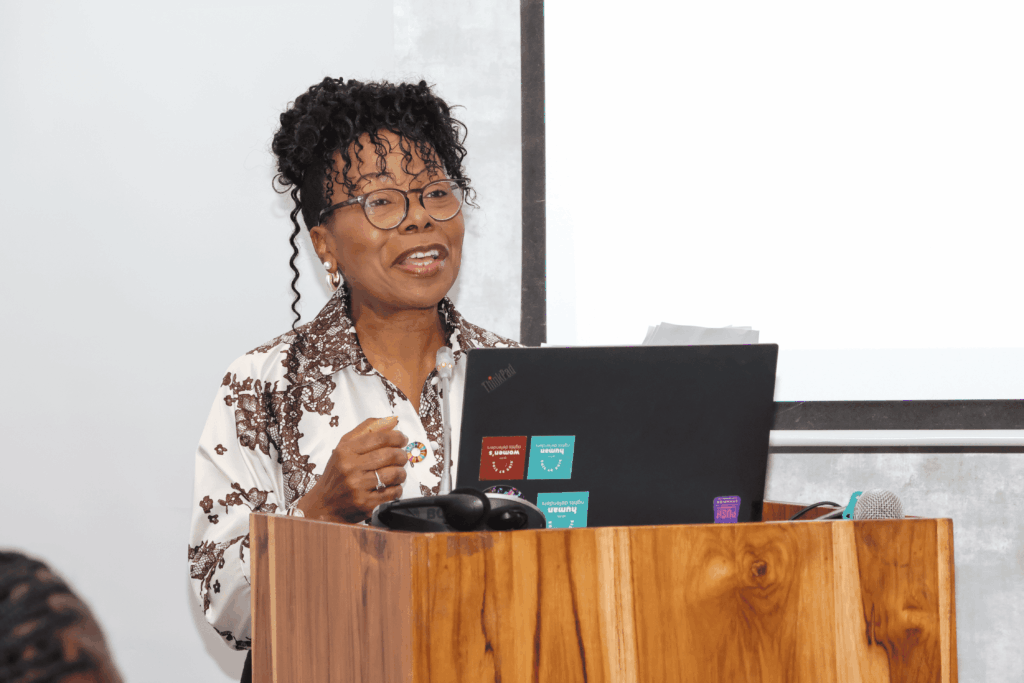
A recent three-day convening brought together midwives, obstetrician-gynecologists, civil society representatives, and global health experts from six countries—Bangladesh, Democratic Republic of Congo, Kenya, Mozambique, Nepal, and Sierra Leone—for the first high-level meeting of the Collaborate for Women, Abortion and Contraception Care Together (C4W ACCT) initiative.
Supported by the World Health Organization (WHO) and the UN’s Special Programme of Research, Development and Research Training in Human Reproduction (HRP), and led jointly by the International Confederation of Midwives (ICM) and the International Federation of Gynaecology and Obstetrics (FIGO), the initiative is part of the broader BRIDGES for Comprehensive Abortion Care project. It builds on cross-regional work to promote inclusive, collaborative models of care, strengthen interprofessional collaboration, and advance access to quality family planning and abortion services.
Unlike traditional education models that focus on theoretical knowledge, competency-based education emphasizes what learners can actually do. It defines clear competencies, sets performance benchmarks, and aligns training with community needs.
The WHO/HRP Family Planning and Comprehensive Abortion Care Toolkit identifies 57 core competencies, covering clinical skills, ethical and legal standards, effective communication, women-centered care, and service delivery standards—ensuring providers are fully prepared to deliver rights-based care.
What Needs to Change
Needs assessments in participating countries revealed persistent gaps in education for family planning and comprehensive abortion care:
-
Some curricula cover family planning but rarely include comprehensive abortion care, especially where abortion is legally restricted.
-
Existing curricula often do not follow competency-based principles due to resource limitations, leadership resistance, and insufficient educator capacity.
The Nairobi meeting emphasized the need for systemic reform: education must be gender-transformative, rights-based, and person-centered, addressing stigma, hierarchical structures, and entrenched gender norms that impede access to care.
Tools for Transformation
WHO and HRP have developed a three-volume toolkit to support this shift:
-
Volume 1: Essential competencies for family planning and comprehensive abortion care.
-
Volume 2: Curriculum development guide based on a new educational design model.
-
Volume 3: Framework for dissemination, implementation, monitoring, and evaluation (DIME).
These resources are designed for educators, policymakers, regulators, and civil society organizations shaping the health workforce.
Beyond the Classroom
Education does not stop at graduation. WHO and HRP launched online, self-paced courses based on WHO’s Abortion Care Guidelines to support continuous professional development. Courses cover medical abortion, human rights-based care, assessment, administration, follow-up, and service delivery. Participants earn a WHO Academy Award of Completion, reinforcing the importance of lifelong learning.
Toward a Competent, Respectful Workforce
Competency-based education is more than a pedagogical trend—it is a pathway to equity, quality, and dignity in reproductive health care. By integrating this approach into national systems, countries can ensure that midwives, nurses, and doctors provide services in ways that honor the rights and realities of the people they serve.
This work is funded by the Government of Canada through the UNDP/UNFPA/UNICEF/WHO/World Bank Special Programme of Research, Development and Research Training in Human Reproduction (HRP).
Source: WHO